There's something rather satisfying about a good leather belt. It may not be the first thing you notice about a gentleman's outfit, but get it right and it quietly brings everything together.
Our Managing Director and Buyer, Miranda (better known to some as Lady Trousers), knows a thing or two about finding a good belt. In her search for something a little special, she took to scouring the plains of Spain, seeking out skilled artisans who have been crafting fine leather belts for generations. The result is a collection of traditional Spanish Leather Belts, made with care, character and a good deal of craftsmanship. So, if you are looking for a belt as individual as you, look no further.
A Brief History of the Belt
The concept of the belt has been around for many, many years, dating back as far as 3000 BC. During the Bronze and Medieval Ages, belts were constructed from flexible animal hides, plant-based fibres and other malleable woven materials. Their primary uses included carrying small personal items, collecting food and displaying status amongst the rest of the tribe.
As time went on, the Greeks and Romans evolved the belt to have a more practical purpose, particularly in a military setting. They were worn to carry larger weapons like swords, daggers, and heavier tools, as well as serving as physical symbols of individual military status.
It wasn't until the First World War that the belt we know today made its breakthrough into mainstream fashion. The influence of soldiers' uniforms encouraged lower-waisted trousers and a shift towards more casual, risqué attire. With this came the everyday wear of the waist belt. By the 1930s, braces were out and waist belts were in.
Fast forward to the 19th century, belts still held their place amongst military personnel for their practicality and convenience. However, for the everyday gentleman, braces were all the rage, a very literal invention to hold up the fashionably high-waisted trousers of that era.
Today, belts serve as both practical fasteners and finishing accessories. A simple rule of dressing worth following is that your belt and shoes should complement one another. They don't need to match exactly, but they should work well together.
How to Wear a Belt: A Few Gentlemanly Pointers
Styling a belt needn't be complicated. A few simple considerations, such as choosing a belt that complements the formality, width and colour of your shoes, suits the occasion and works with the trousers being worn, are usually enough to bring an outfit together.
Going more smart-casual? With a chino-cut trouser, for example, a standard-width leather belt is a good choice. Not too subtle and with a little more presence, maybe a touch of characterful design, but still fitting with that relaxed outfit.
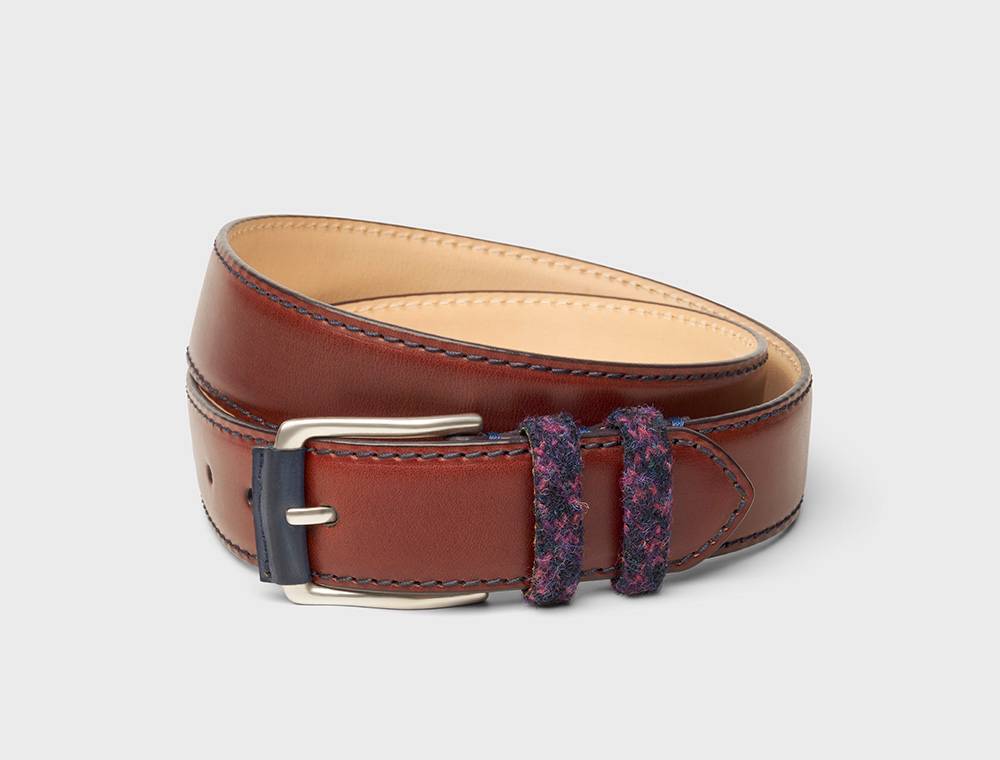
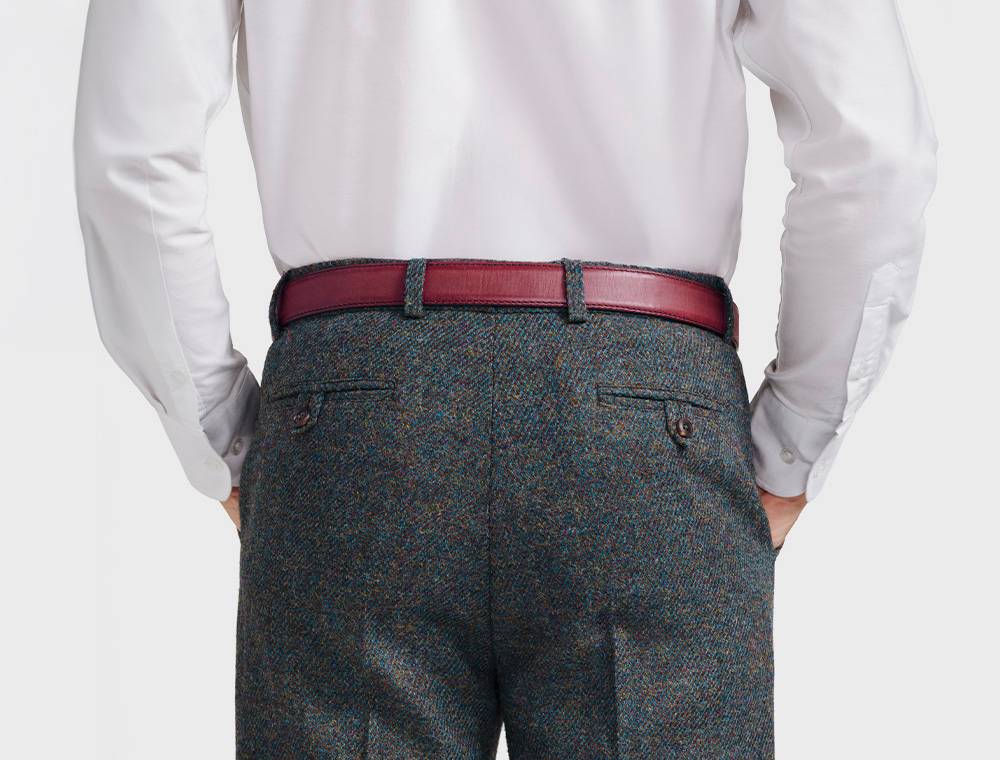
For a more formal look, perhaps a suit or a smart pair of tailored trousers, a slightly slimmer, more refined belt is usually the way to go. Something understated that sits comfortably alongside the rest of your outfit, rather than drawing too much attention to itself.
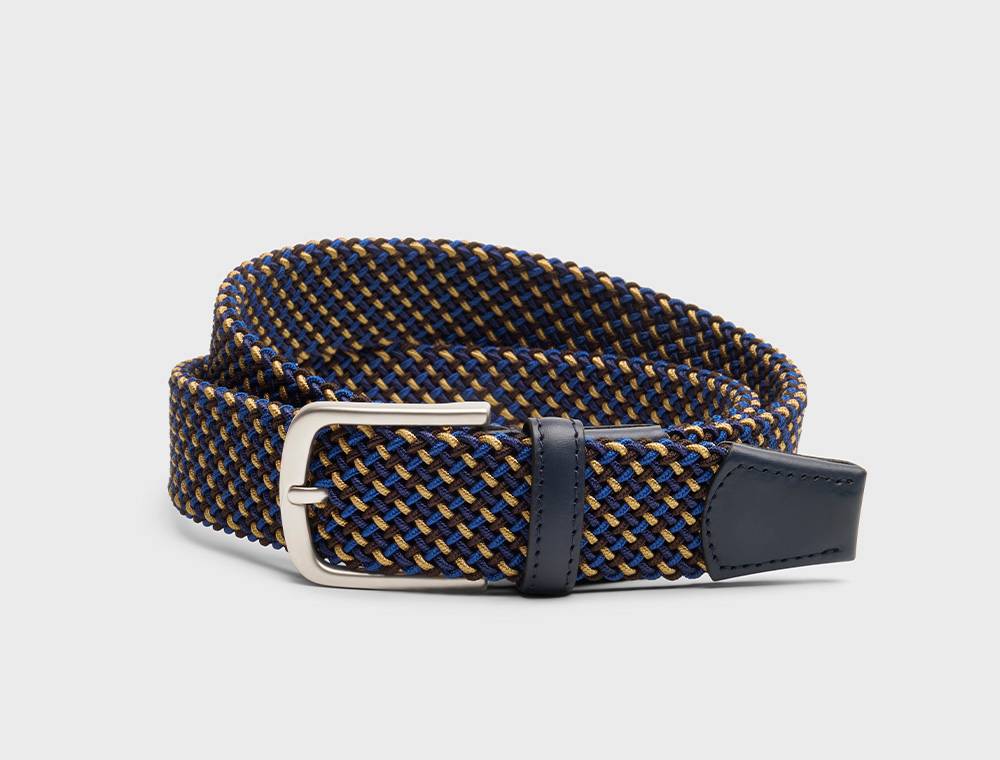
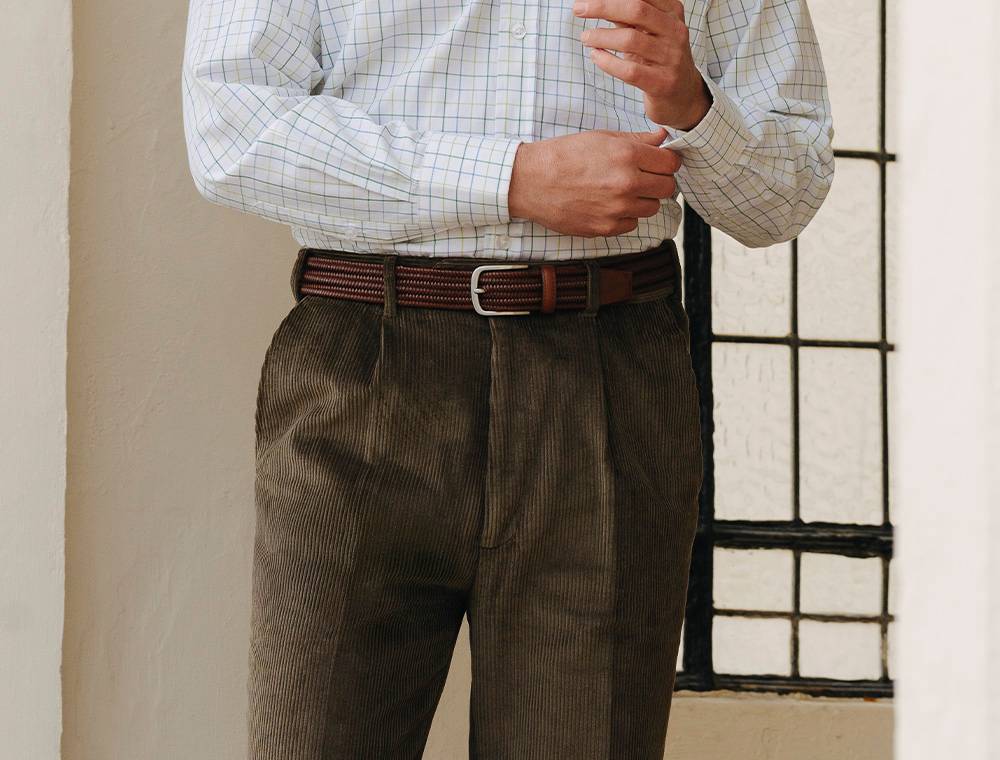
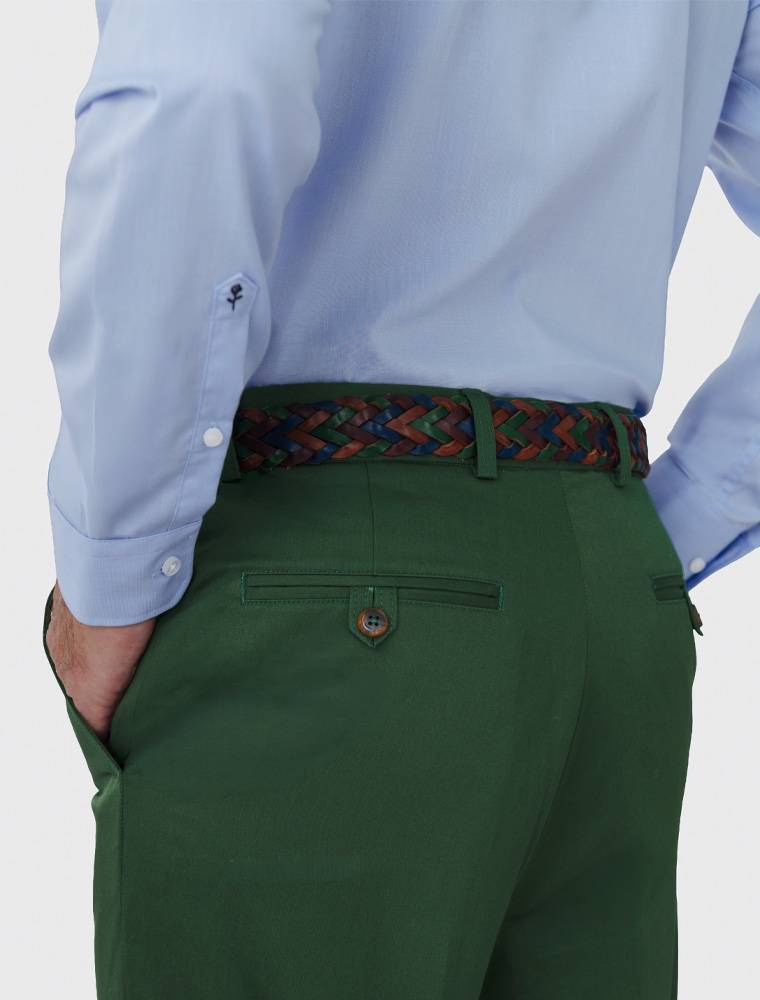
If you're keeping things casual, perhaps with a favourite pair of jeans, there's a little more room to experiment. Woven, braided and canvas belts can all work rather nicely here, bringing an easygoing feel to the whole look.
Of course, these are guidelines rather than rules set in stone. A belt should complement the overall outfit, while feeling comfortable and inspiring confidence. After all, good dressing is as much about feeling at ease in what is worn as it is about getting the details right. There is little merit in following every rule if the result doesn't feel quite right.
A Little More Character Around the Waist
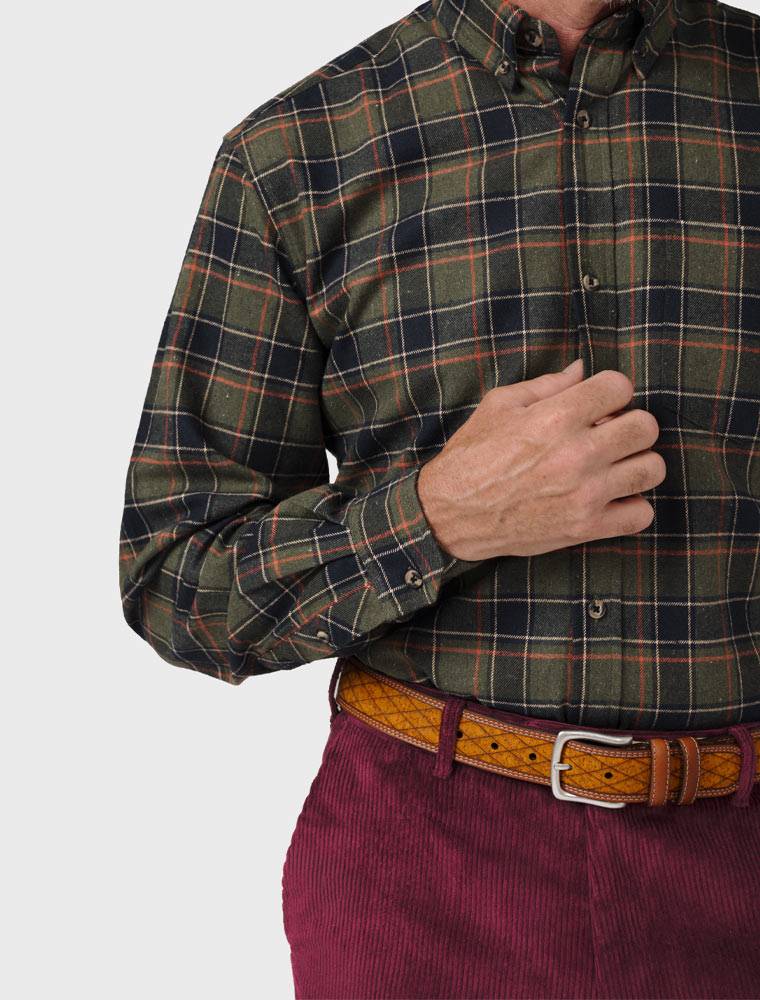
It's easy to think of a classic trouser belt as no more than a plain leather band, doing its job quietly and going unnoticed. And there's certainly nothing wrong with that. A simple, well-made leather belt is a staple for good reason, (extra points for Spanish leather), achieving that understated, gentlemanly look.
But why should practical mean predictable? A touch of texture, a hint of colour or an interesting design can make all the difference without taking away from that classic gentleman style.
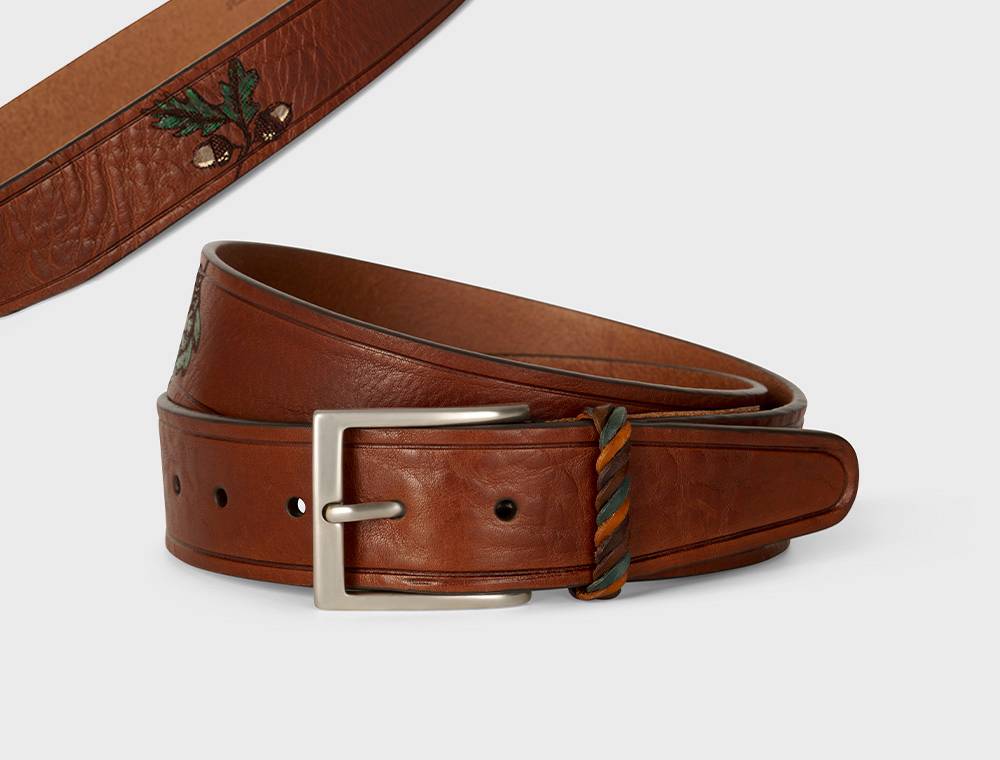
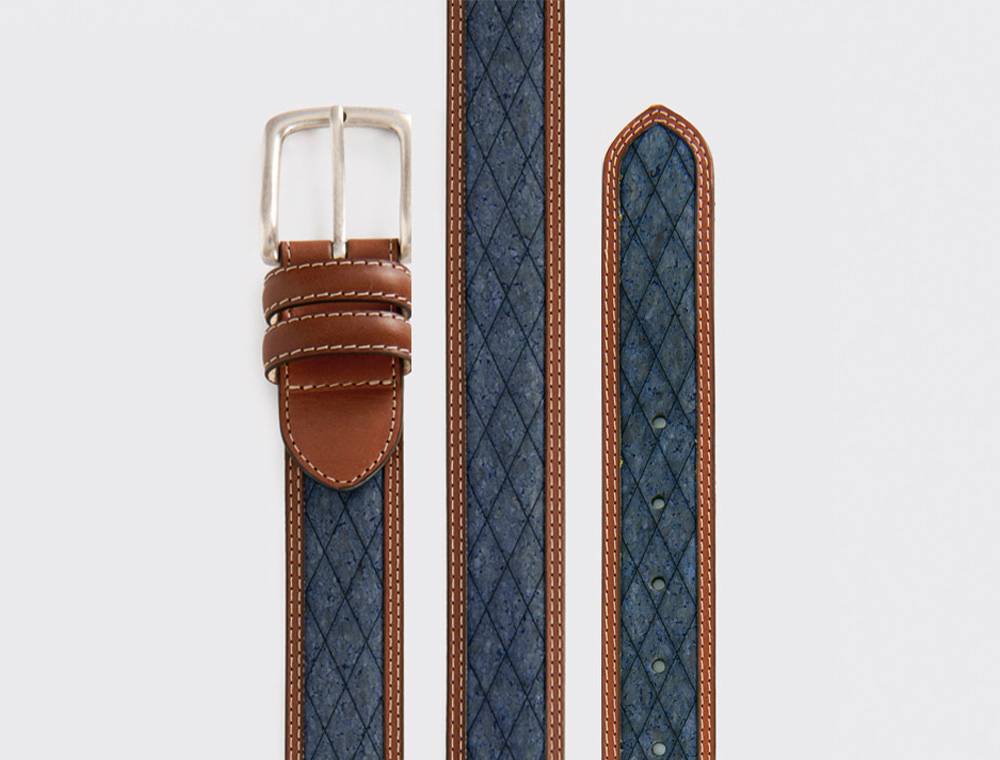
Cork Inlaid Spanish leather belts, for example. They combine the familiar shape and feel of a traditional Spanish leather belt, with the added interest of a little colour and texture.
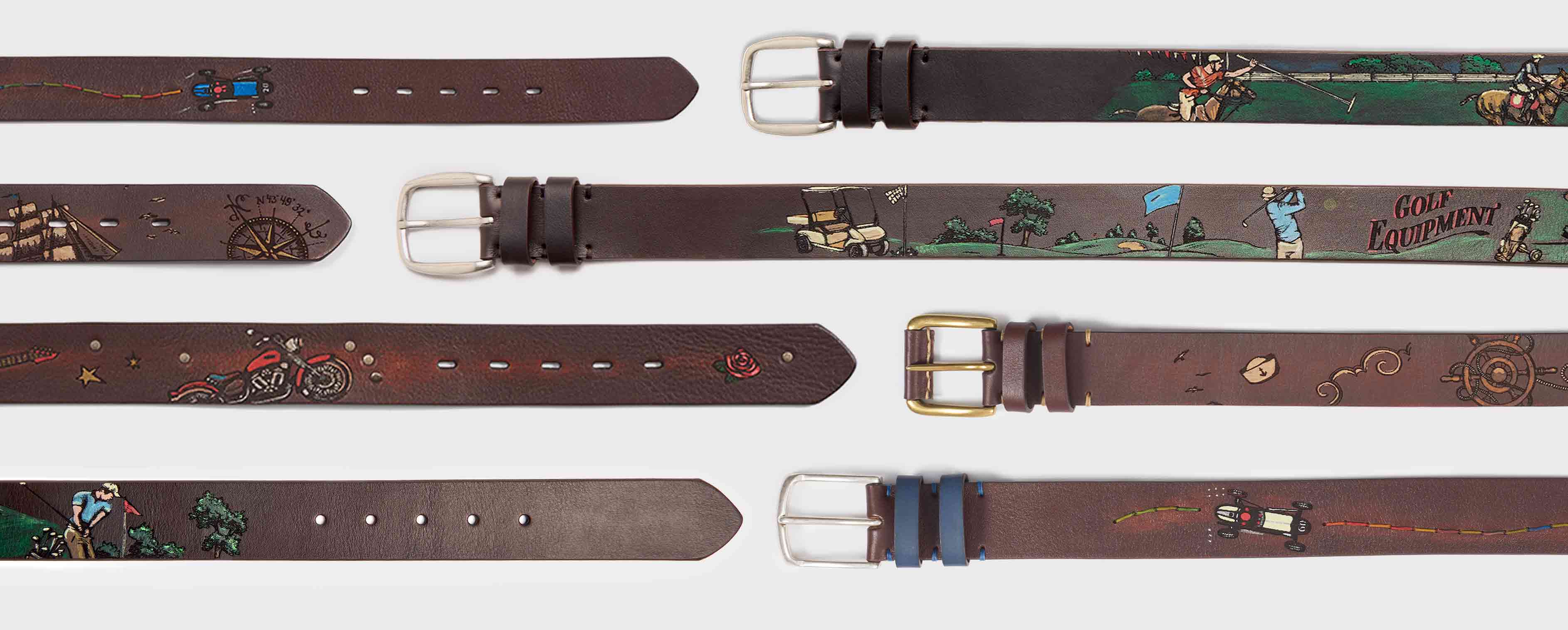
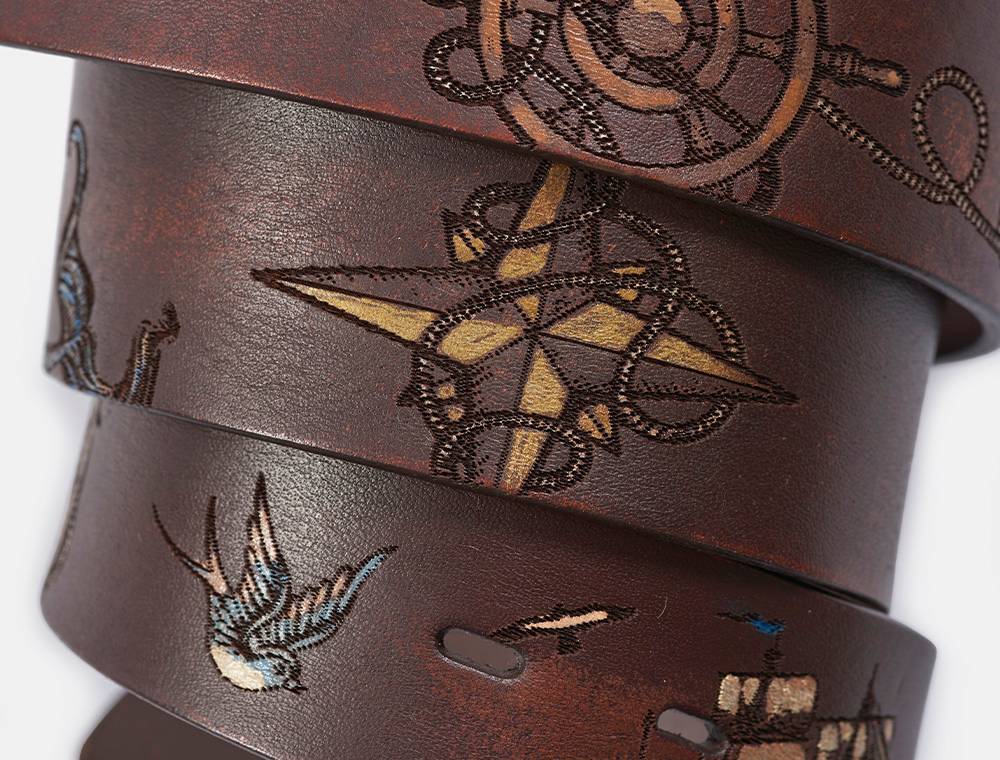
Hand Painted leather belts take things that step further. Following that quintessential leather belt style, but with something a little more individual about them. A journey around the golf course, a few racing cars or even the odd pirate; these belts can add an unobtrusive touch of imagination and personality to your everyday accessory. They're a bit of fun, certainly, but still perfectly wearable with your chinos, jeans and any outfit you'd happily rock out and about.
There's something rather nice about that. These little details can make a belt a more thoughtful gift, particularly at this time of year. It's a simple way to show someone you've put a bit of thought into choosing something they'll love. And why not treat yourself, too?
From bright braided belts to richer, subtler touches of colour, and even works of art around your waist, a belt can bring more excitement and charm than you might expect. There's still plenty to be said for the sturdy practicality of a traditionally understated Spanish leather belt, but there's no reason not to have a little fun with it too!